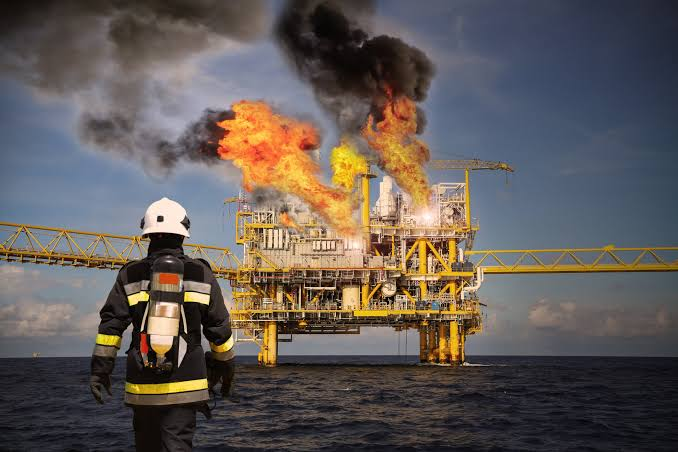
Oil Rig Explosion Lawyers: Investigating Offshore Fires and Catastrophic Injuries
An oil rig explosion can produce devastating consequences for offshore workers, including serious burns, respiratory injuries, fractures, and other long-term medical complications. Investigating these events may require technical expertise, careful evidence preservation, and a detailed review of workplace safety practices.
Oil rig explosion lawyers assess whether an explosion may support a legal claim involving negligence, defective equipment, unsafe procedures, or other legally actionable conduct. The circumstances of each incident determine which parties may be responsible and which laws apply.
Common Causes of Offshore Explosions
Potential contributing factors include gas leaks, equipment failures, inadequate maintenance, electrical faults, improper handling of combustible materials, and failures in safety systems.
Determining the cause may require reviewing equipment inspection records, operational logs, safety procedures, and expert findings. Investigators must distinguish between the physical cause of an explosion and the legal responsibility for the incident.
Attorney Profile: Tammy D. Harris
Law firm: The Young Firm
Location: New Orleans, Louisiana
Education: Bachelor of Arts in Psychology, University of New Orleans, 2002; Juris Doctor, Loyola University School of Law, 2005.
Practice focus: Maritime injuries and Jones Act claims.
Admissions: Louisiana state courts and federal courts in Louisiana, along with the U.S. Court of Appeals for the Fifth Circuit.
Tammy D. Harris’s official biography states that her practice is focused on maritime and Jones Act claims representing injured maritime workers. Her professional background includes earlier work on a broader range of personal injury matters.
Her maritime focus may be relevant to workers injured in offshore incidents, including accidents involving hazardous working conditions. A prospective client should confirm whether her current practice covers the particular facts and location of the accident.
Official profile: https://www.jonesactlaw.com/bio/tammy-d-harris/
Source: <Cite refs={[“turn121295search0”]}/>
Who Might Be Responsible for an Oil Rig Explosion?
Potentially responsible parties depend on the evidence and may include an employer, drilling contractor, equipment manufacturer, maintenance provider, or another company involved in the operation.
Responsibility cannot be determined solely from the fact that a company was present at the site. Investigators must establish the relevant duties, conduct, and causal connection under the applicable law.
Documenting Explosion-Related Injuries
Medical records, treatment plans, photographs, incident reports, witness statements, and equipment documentation can help establish the circumstances and consequences of an explosion.
Workers should prioritize medical care and avoid entering hazardous areas to obtain evidence. Relevant records should be preserved lawfully and promptly.
Potential Compensation
Depending on the legal claim, available remedies may include medical expenses, lost earnings, reduced future earning capacity, and other legally recoverable damages. Applicable maritime law and the worker’s employment status may affect the available remedies.
Conclusion
Oil rig explosion claims often require a detailed investigation of equipment, procedures, and workplace conditions. Tammy D. Harris’s published professional profile identifies a practice focused on maritime and Jones Act cases, providing a starting point for workers researching legal representation.
Disclaimer: This article is educational and does not constitute legal advice.